Gray Chapman
Several years ago, I wrote about finding stillness and steadiness in the garden amid turmoil everywhere else. It was late spring, 2019. Roe was still the law of the land, yet Georgia politicians were fighting to pass an unconstitutional six-week ban, and I was reporting on the legislation.
As I worked, I found my cool, air-conditioned office to feel far more stifling and miserable than our tiny, mosquito-ridden backyard in the 90-degree heat.
I’d watch a livestream of excruciating testimony, then walk outside to check on the sungolds and cucumbers until I felt replenished enough to go back inside. “Gardening Fixes Everything” was the title of the essay I wrote that June, but of course, gardening didn’t fix it all, not by a long shot.
The next spring, as the city shut down, I wrote another paean to gardening the grief away, this time including some tips for people curious about starting a garden while homebound during the early days of the pandemic. The advice included things like growing cilantro on a windowsill — “having a couple pots of fresh herbs on-hand means one less reason to brave the grocery store,” I wrote, still believing this would all be over in a few weeks’ time — and experimenting with sprouting some of those dried beans in the cupboard.
As with a lot of writing about the virtues of gardening during both that crisis and the current one, it tends to center on self-care and self-sufficiency — so, in other words, the self. I write that “you can't scroll Twitter while wearing gardening gloves” and mention the history of victory gardens. (“Start a victory garden” ranks somewhere near “sleep while the baby's sleeping” in terms of actually helpful advice for most people, but that’s a screed for another time.)
That was 2020; today, with a turbulent economy, war seemingly on the horizon, and a new crisis each day, these same benefits probably still resonate with people who just want to spend time away from a screen and in nature, while maybe (in theory) becoming a tiny bit less dependent on the supply chain. But it wasn’t until the end of the article that I gesture toward a truth far more meaningful, and outward-looking, than one’s own inner peace:
“In the past few weeks, I’ve gotten texts from neighbors digging up overgrown parsley from their yard and offering to share the extras. Another dropped a Ziplock bag of flower seeds on my porch. I snuck some pole beans into a friend’s mailbox recently [...] Whether it’s seeds, divided plants, or that propagated monstera cutting, there’s something genuinely uplifting and wholesome about sharing your efforts with friends and neighbors. I think, in fact, it’s little, thoughtful gestures like these that will help us all get through this.”
Atlanta magazine, March 2020
Back then, the kind of solace I sought in weeding, in throwing heavy bags of mulch around, and in tucking tomato seedlings into dirt was the kind of quiet reflection and solitude akin to running, or taking a bubble bath. (Funny, my longing for solitude, considering the population of my household was half its size back then.) Fast-forward to today, with two small kids in our lives and two self-employed adults in creative fields trying to ride the waves of a volatile market, and “quiet reflection” feels like a luxury. My garden has grown, as has its importance in my life, but not as an outlet for seclusion so much as a springboard for community.
Gardening is your neighbor sharing their blueberries, and you returning the favor with a gift of homemade jam. Gardening is ding-dong-ditching your neighbor with your excess zucchini. Gardening is learning from elders. Gardening is a communion with yesterday (the perennials lovingly planted by this home's previous family) — and a love note to tomorrow (the apple tree you planted, which one day might feed this home's next family). Gardening is common ground with the neighbors with whom you have little else in common. A chance for neighbors to help one another, to teach one another, in some cases even to feed one another. Gardening is fertile ground for small-scale, yet deeply meaningful community-building — ways of being in relationship with the world, and each other, that we might graft onto other areas of our lives.
Gardening isn’t just “me” time.
It’s you, and you,
and you, and us.
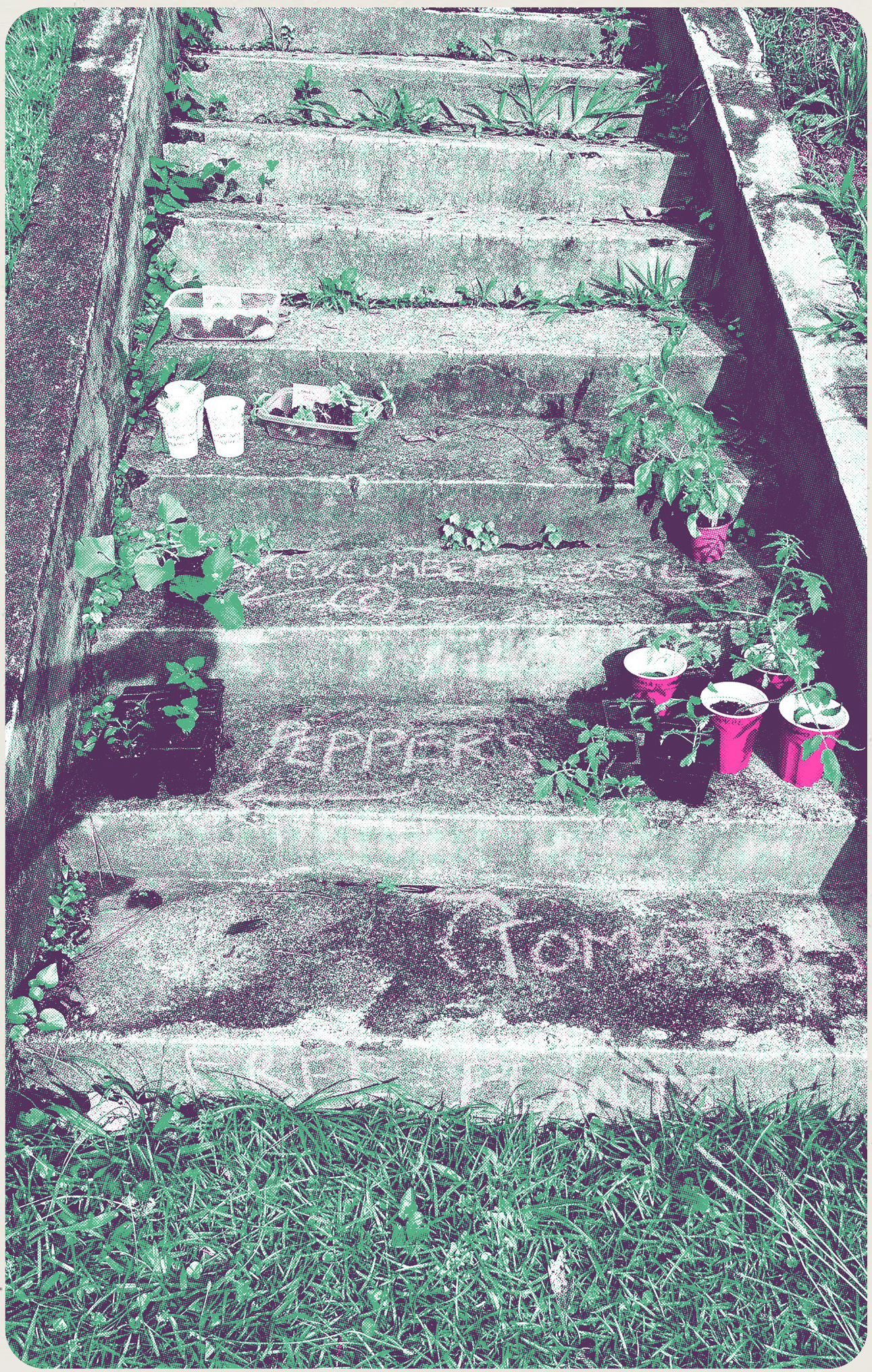
There’s a seasoned gardener in a neighborhood near mine who hosts a plant swap every year, open to anyone and with no hierarchy or requirements for participating. This year, at the end of the swap, she decided to put a small table out on the street for all the unclaimed leftovers, offering a handful of veggie starts, native perennials, and more to whomever might want them. That was two months ago.
Since then, barely a day has gone by where the plant table has remained empty: neighbors and gardeners from surrounding neighborhoods quietly drop off their extra Georgia asters and baby tomatoes one day, their black-eyed Susans and mountain mint the next. The community’s gardeners, beginners and experts alike, contribute seedlings and divisions, as well as their labor, unprompted. (When dozens of seed packets disappeared in a single afternoon, a neighbor stepped up to replenish the supply with hundreds of seeds she’d saved from her own yard.)
Over time, the plant table’s offerings expanded to include pots and seed starting supplies. Eventually, a second table was added: a heavy, sturdy wooden one, rescued from a curb with the help of a neighbor and their truck. The plant table is still going, having evolved from a one-time freebie site to a living group project and collective exchange, spearheaded by one person but lovingly tended by the community. In the same way that a single seed can beget a plant that then begets thousands more seeds, and on and on — this single generative act sparked dozens more, a limitless chain of reciprocity.
It has brought new friendships into my life, and added dimension and depth to old ones. (Shout-out to the gardening group texts, a singular source of joy.) Building and maintaining a shared garden space with our next-door neighbor has taught me the kind of cooperation and resource-sharing we try to model for our kids, but are rarely forced to practice in our siloed, self-directed adult lives. Through gardening, I’ve bonded with, and learned from, two neighbors much older than I — a Black man raised on a farm in rural Georgia, an earthy woman who lived off-grid on an island off the coast of Nova Scotia in the ‘70s — who have nothing in common except for living on the same street, and possessing deep wells of knowledge about growing things, informed by decades of lived experience in wildly different worlds. (Years ago, someone pointed out that gardening can organically facilitate intergenerational relationships like few other hobbies can, and I’ve found this to be both true and deeply gratifying.)
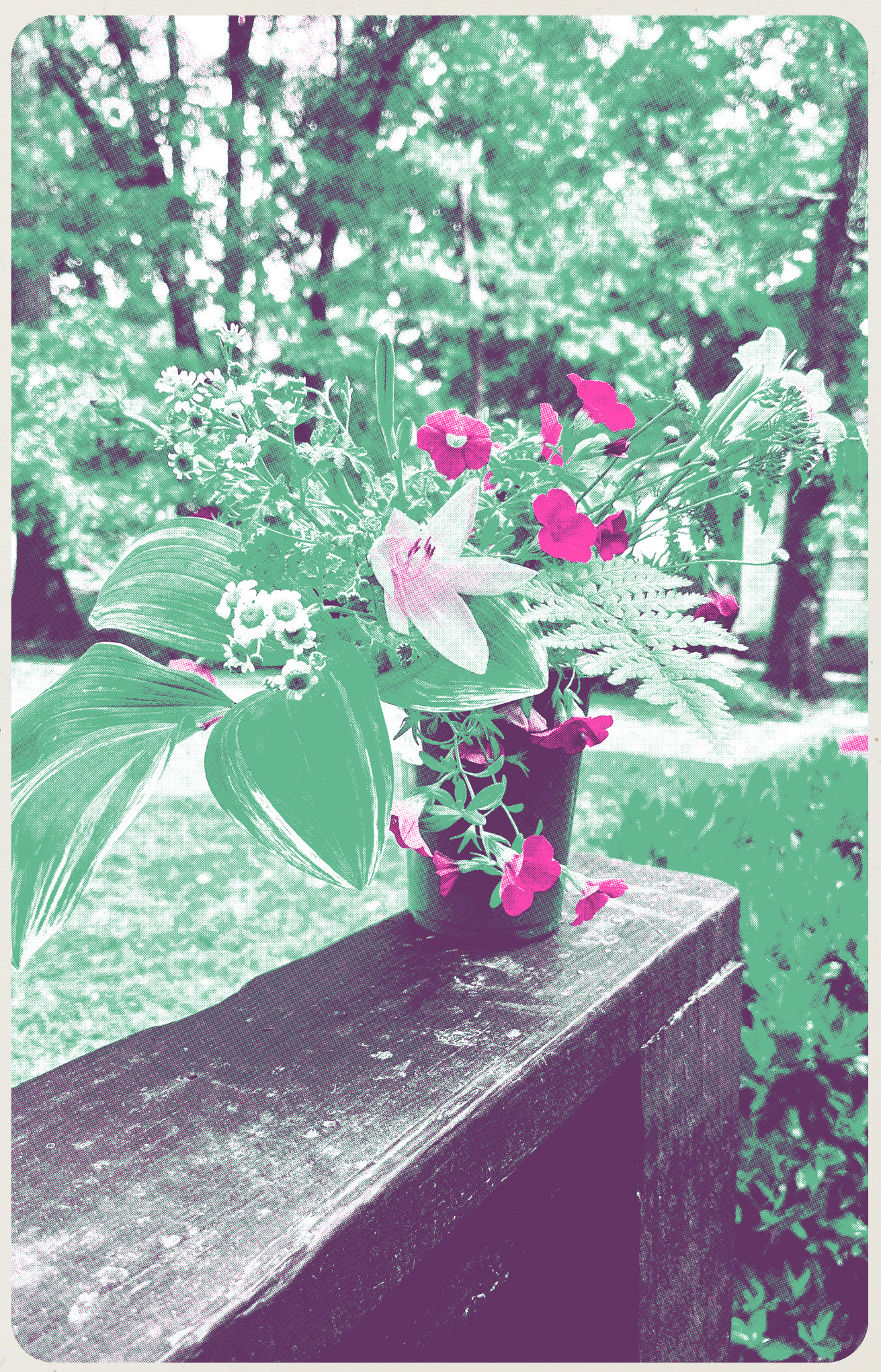
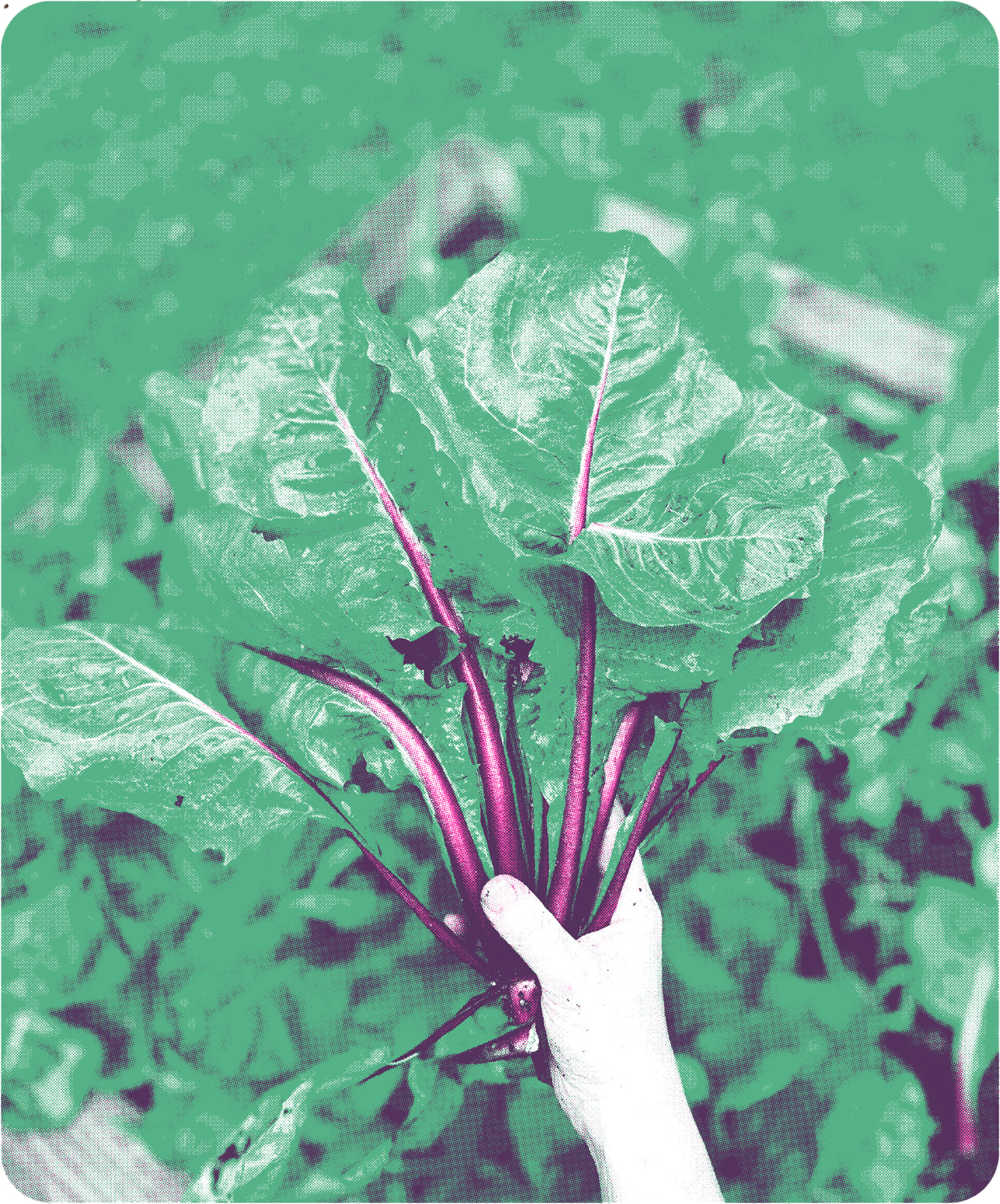
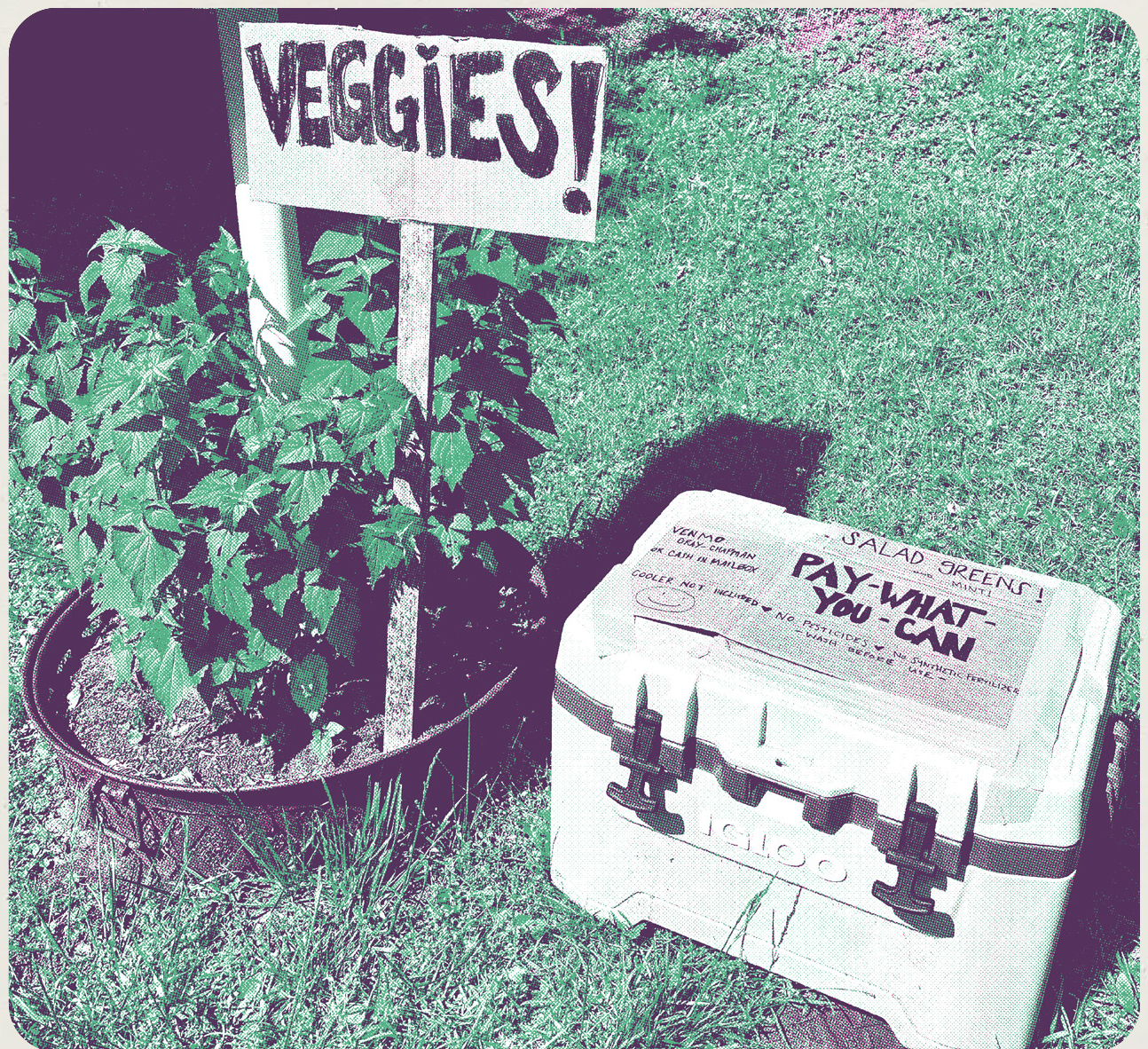
Lately, I have been curious to explore how how gardening might lead my own nascent efforts to do a better job of engaging with the people around me. Earlier this spring, overwhelmed with lettuce, I bagged the extras and parked them in a cooler on the street with a pay-what-you-can sign, though I really didn’t care if people paid. It was far more thrilling to see the cooler’s supply diminish every day than it was to see a crumpled dollar bill or two stuffed in the mailbox. I met an older couple who had a taste for radicchio, and happily took three beautiful (but very bitter) heads off my hands. A fellow gardener who enjoyed the greens thanked me with a gift of her own flowers, a bouquet of fern and feverfew, hosta and daylily. I met a new neighbor who just moved to town and now lives a few blocks over, on the route I take the kids when we walk to the library.
In May, I nervously hosted my own small plant swap, and met about a dozen neighbors: an older gentleman who shared the melon seeds he likes to grow for his grandkids, a mother-daughter duo proud to gift their homemade seed bombs, a master gardener who brought divisions of her native perennials, and a couple who brought along their young daughter, who is the same age as our son. The two little kids played in the yard while we got to know the parents, who live just blocks from us. They took home some tomato plants I started back in February, and I happily brought a piece of their aloe inside. Before they left, their little girl asked if she could come back and play some time; of course we said yes.
I didn’t forge immediately deep connections to these people. But now we're a little more beholden to each other than we were before.
Gardening will not “fix everything.”
But within it, maybe we’ll find a blueprint for what might.